

Author: Al Packer White Marsh Ford
Welcome, Middle River drivers! At Al Packer White Marsh Ford, we understand that maintaining your vehicle is crucial, especially with the unique driving conditions around our community. This locally tailored maintenance guide is designed specifically for you—whether you’re navigating the bustling traffic on Eastern Boulevard or enjoying a scenic drive towards the Chesapeake Bay through nearby towns like White Marsh, Bel Air, Parkville, Dundalk, and Essex. Our decades of service experience have equipped us with the knowledge to adapt the Ford OEM maintenance schedule to meet the demands of our local climate and roadways. Let's ensure your Ford stays in top shape for all your adventures!
Why Should You Follow a Maintenance Schedule for Your Ford?
Adhering to a maintenance schedule is crucial for safeguarding your investment in your Ford and ensuring it remains dependable for your daily travels around Middle River. The local climate, with its humid summers and pollen-filled springs, places unique demands on your vehicle. For instance, the heat can degrade fluids and stress belts, while pollen can quickly clog air filters, compromising performance. Regular service helps tackle these challenges effectively, keeping your Ford in top shape for both short trips along Eastern Boulevard and longer journeys to the Chesapeake Bay.
Sticking to the recommended schedule not only enhances your vehicle's performance and fuel efficiency but also boosts safety and gives you peace of mind. A well-maintained Ford, whether it's the rugged F-150 or the versatile Explorer, is better equipped to handle the diverse driving conditions you encounter—from the stop-and-go traffic on Martin Boulevard to weekend outings at Eastern Regional Park. It's more than just avoiding breakdowns; it's about ensuring your vehicle operates as designed, ultimately reducing costs and enhancing your driving experience. For further insights into vehicle care, check out resources like Edmunds.
How Does Ford’s Service Reminder System Work?
Many Ford vehicles are equipped to notify you when it's time for maintenance. Depending on the model and year, the reminder might be a straightforward time or mileage tracker, or a system that adjusts based on your vehicle's operation. This means you could receive alerts based on how you drive, but the specifics will vary by model.
When maintenance is due, drivers typically see a dashboard message, a service indicator like a wrench light, or an oil-life percentage reading. Since the exact features can differ from one vehicle to another, it’s essential to consult the owner's manual for your specific Ford. Local driving patterns, such as frequent short trips or stop-and-go traffic around Middle River, White Marsh, or along Eastern Boulevard, can influence how often maintenance is needed, even if the vehicle doesn’t constantly measure these conditions.
What Does the Primary Service Reminder Mean?
After understanding how service reminders work in general, the next step is knowing what the primary reminder is telling you. This reminder serves as a high-level alert that scheduled maintenance is due or approaching. Depending on the vehicle, it may present itself as a simple message or indicator, while others might provide additional context through a maintenance screen or settings menu. Since the specifics can vary by model and year, consulting the owner’s manual or the in-vehicle maintenance information is the best way to determine what services are actually needed.
Primary reminder: A general signal to review your vehicle’s scheduled maintenance guidance and plan service. It indicates that maintenance is due, but it may not specify every individual item on its own.
Additional details (if shown): Some vehicles may offer extra information—such as a maintenance menu, percentages, descriptive messages, or symbols—to clarify what requires attention. If your vehicle includes these details, use them alongside the owner’s manual to verify the recommended service.
What Do Additional Service Indicators Mean?
Many Ford vehicles go beyond a basic service reminder by displaying additional indicators. These can appear as extra items, symbols, or menu entries, providing more detail about upcoming maintenance needs. However, the specifics of these indicators can vary by model, so it's essential to consult your owner's manual for precise meanings. Below are common types of service items some Ford vehicles may show.
- Tire rotation: Regular tire rotation helps ensure even tread wear, which can be especially important for drivers in Middle River and surrounding areas who frequently navigate stop-and-go traffic or make short trips.
- Engine and cabin air filters: Clean engine air filters enhance performance, while cabin filters contribute to a healthier interior environment. Dust and pollen, prevalent during certain seasons in Middle River, can clog these filters more quickly.
- Transmission fluid: Some models may signal when it's time to check transmission fluid. Frequent short trips and hilly terrain around areas like Bel Air can put extra strain on the transmission.
- Spark plugs and valve clearance check (when applicable): Certain vehicles may require spark plug replacements and valve clearance checks as maintenance items, typically at higher mileage intervals.
- Engine coolant: Engine coolant is crucial for regulating temperature and preventing overheating. Hot weather and heavy loads, common in the summer months around Dundalk and Essex, can increase cooling demands.
- Rear differential fluid (AWD/4WD, if equipped): For those with all-wheel or four-wheel drive, checking the rear differential fluid can be necessary, particularly if you often drive in slippery conditions or on uneven surfaces.
- Brake fluid: As brake fluid ages, it can absorb moisture, which might affect braking performance. If your vehicle indicates a need for brake fluid service, be sure to follow the recommended intervals.
What is a Typical Ford Service Schedule for Middle River Drivers?

Even with modern service reminders or maintenance menus, understanding the typical timing of maintenance milestones can be a valuable planning tool. This schedule serves as a helpful reference to complement your owner’s manual and any in-vehicle guidance (if equipped). It considers common driving patterns in Maryland, such as short trips on Wilson Point Road (MD 587), stop-and-go traffic along Eastern Boulevard (MD 150), steady highway miles, and the seasonal temperature swings experienced in the area.
What Services Are Needed in the First 30,000 Miles?
During the first 30,000 miles of ownership, many Ford drivers typically focus on essential maintenance tasks: routine oil changes, tire rotations, and keeping the engine and cabin air filters clean. The timing for these services can vary based on the specific Ford model and driving conditions around Middle River, White Marsh, Bel Air, Parkville, Dundalk, and Essex.
Oil service: Most vehicles will likely require an oil change periodically, depending on factors such as driving habits and environmental conditions. If your driving includes numerous short trips or frequent idling in local traffic—like on Eastern Boulevard or Martin Boulevard—you might find that your oil service is needed sooner than for a vehicle primarily used for highway driving.
Tires and filters: Tire rotations are generally recommended at regular intervals to promote even wear. Pay attention to your engine and cabin air filters as well; in areas with high pollen, dust, or ongoing construction, like parts of Dundalk and Essex, these filters may need to be checked or replaced more frequently.
What Maintenance Should Be Done Between 30,000 and 60,000 Miles?
As your Ford vehicle reaches the 30,000 to 60,000 mile range, maintenance becomes increasingly focused on protecting essential systems. This period often includes more involved services that can vary significantly based on your specific model, powertrain, and driving habits. Always consult your owner’s manual and in-vehicle maintenance alerts to determine the best schedule for your vehicle.
Driving on busy roads like Martin Boulevard (MD 700) or Pulaski Highway (US 40) can impact your vehicle's maintenance needs. For comprehensive vehicle ratings and reliability insights, check out Consumer Reports.
What Major Services are Required Approaching 100,000 Miles?
As your Ford vehicle nears the 100,000-mile mark, it’s common to consider a few significant maintenance tasks that can greatly impact its longevity. The specific services needed can vary depending on the model and engine type, so it’s best to consult your owner’s manual and onboard maintenance information for guidance tailored to your vehicle.
Spark plugs: Many Ford models recommend changing spark plugs around this mileage. Fresh spark plugs contribute to better fuel efficiency, smoother engine operation, and reliable starting, which is especially important as wear and tear accumulate over time.
Timing belt (if equipped) and coolant service: Some older Ford engines may have a timing belt that requires periodic replacement, while others feature timing chains that typically do not have a set replacement interval. In addition, a coolant flush or replacement is often advised to protect your vehicle's cooling system from corrosion and overheating in the long run. Staying proactive with these services not only bolsters your vehicle’s reliability but can also enhance its resale value; you can check out Kelley Blue Book for insights on how maintenance influences long-term vehicle value.
Why is Local Expertise Important for Servicing Your Ford?
Having a service team that understands the unique challenges of Middle River and its surroundings is crucial for maintaining your Ford vehicle. Our technicians at Al Packer White Marsh Ford are well-versed in the local climate, characterized by hot, humid summers and wet winters, which can affect various systems in your vehicle. They know how the pollen season can clog air filters and that the fine clay from our roads can impact brakes and suspension systems. Additionally, they are familiar with local traffic patterns along busy routes like Eastern Boulevard (MD-150) and Martin Boulevard (MD-700), ensuring they anticipate wear and tear specific to our region.
This local expertise means your Ford, whether it’s a rugged F-150 or a versatile Explorer, receives the tailored care it needs to perform at its best. Technicians are trained to inspect for signs of region-specific wear, from the effects of stop-and-go traffic to the demands of towing during boating season on the Chesapeake Bay. For more information on vehicle safety and maintenance, check out the National Highway Traffic Safety Administration (NHTSA).
Frequently Asked Questions (FAQs)
What should I expect for wait times when I schedule an appointment?
At Al Packer White Marsh Ford, wait times can vary based on the type of service and the time of day. Typically, you can expect a wait of 30 to 60 minutes for most routine services, but our team will keep you informed throughout the process.
How can I ensure my appointment is honored at Al Packer White Marsh Ford?
To ensure your appointment is honored, it’s best to arrive on time and confirm your appointment a day in advance. Our team is dedicated to providing timely service and will do their best to accommodate your schedule.
What are the typical wait times for oil changes and routine maintenance?
For oil changes and routine maintenance, most customers experience wait times of around 30 to 45 minutes at Al Packer White Marsh Ford. However, during peak hours, this may extend slightly, so arriving early can be beneficial.
How does Al Packer White Marsh Ford handle appointment cancellations?
If you need to cancel your appointment, simply call our service department as soon as possible. We strive to be flexible and can help you reschedule at a more convenient time.
How does Al Packer White Marsh Ford support local communities?
Al Packer White Marsh Ford is deeply committed to community involvement, actively engaging in local initiatives and providing reliable transportation solutions to our neighbors in White Marsh and surrounding areas.
What awards has Al Packer White Marsh Ford received for customer satisfaction?
Al Packer White Marsh Ford has been honored with the prestigious President's Award six times, recognizing our dedication to exceptional customer service and satisfaction in the Baltimore area.
About Al Packer White Marsh Ford
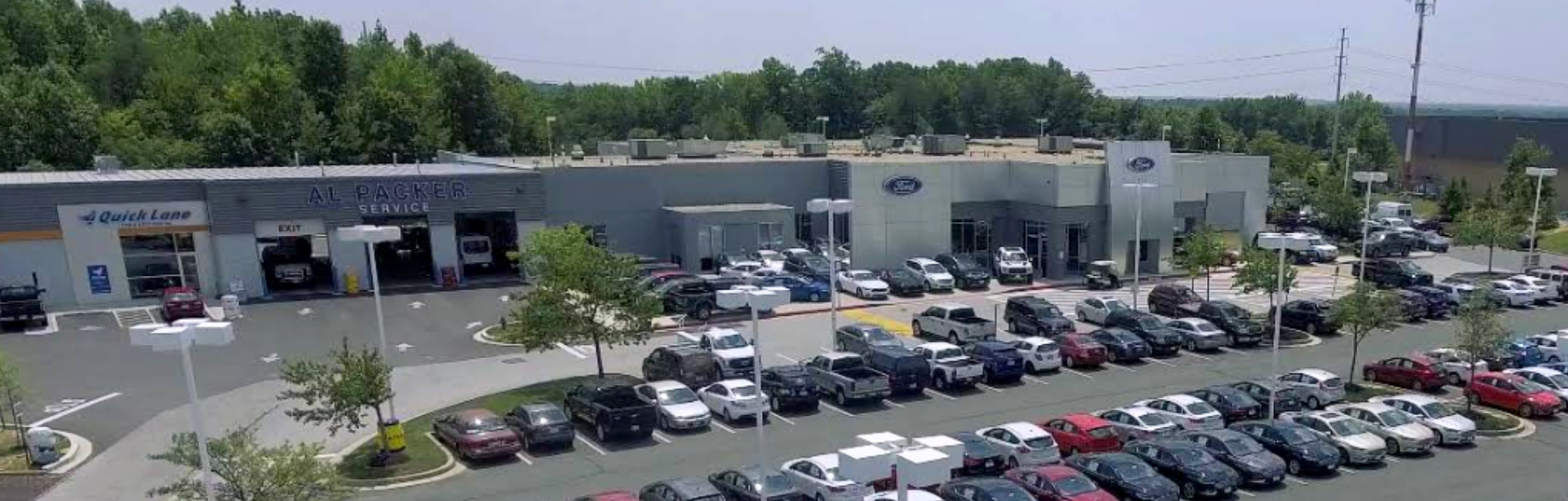
At Al Packer's White Marsh Ford, we take pride in being a trusted automotive leader serving the White Marsh, Baltimore, and Bel Air communities. Our dealership stands as Baltimore's only six time President's Award winner, a prestigious honor we earned in 2017, 2018, 2019, 2022, 2023, and 2024 for our commitment to customer satisfaction. We leverage decades of industry expertise and a highly trained, certified sales and service staff to ensure every guest receives professional and authoritative guidance. Beyond our showroom, we remain deeply invested in the local area through community involvement and by providing reliable transportation solutions to our Maryland neighbors. Whether you are seeking a new vehicle or factory authorized maintenance, we apply our award winning standards to provide the most transparent and helpful experience possible.
Related Articles:
The Ultimate Guide to Finding the Best Ford Dealer in Middle River, MD